

Comparison Table
| Feature | Sony Starvis IMX307 | Sony Starvis IMX662 |
|---|---|---|
| Generation | Starvis 1 | Starvis 2 |
| Resolution | 2.07 MP (1920 × 1080) | 2.07 MP (1920 × 1080) |
| Sensor Size | 1/2.8" (6.46 mm diagonal) | 1/2.8" (6.45 mm diagonal) |
| Dynamic Range | Standard HDR | Wider dynamic range, improved HDR |
| Low‑Light Sensitivity | High sensitivity, good for night vision | Ultra‑low‑light performance, reduced noise |
| Frame Rate | Up to 60 fps (1080p) | Up to 90 fps (1080p) |
| Applications | Surveillance, dash cams, industrial cameras | Advanced security, automotive ADAS, smart city monitoring |
The biggest difference lies in the underlying image processing architecture.
| Feature | Sony IMX307 | Sony IMX662 | Significance for Users |
| Technology Platform | STARVIS | STARVIS 2 | A complete redesign for better low-light and HDR performance. |
| Dynamic Range (WDR) | High (approx. 120 dB) | Wider Dynamic Range (approx. 8dB wider in a single exposure) | Significantly better image detail in scenes with extreme light contrast (e.g., in a tunnel exit or street with bright headlights). |
| Low-Light Noise | Excellent, but can be grainy at highest amplification (gain). | Superior Low Noise (due to Super High Conversion Gain technology) | Clearer, less "grainy" images in very dark conditions, improving clarity for license plates or faces. |
The key innovation in STARVIS 2 is the ability to capture a wider dynamic range in a single exposure compared to the first-generation STARVIS sensors, which often rely on complex multi-exposure High Dynamic Range (HDR) techniques.
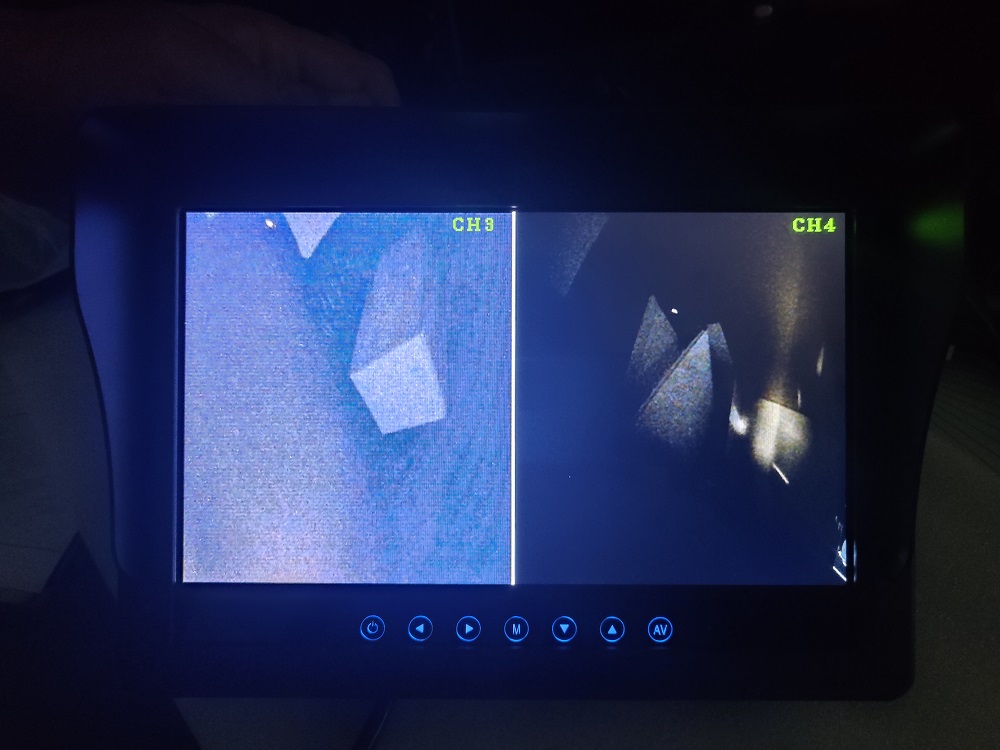
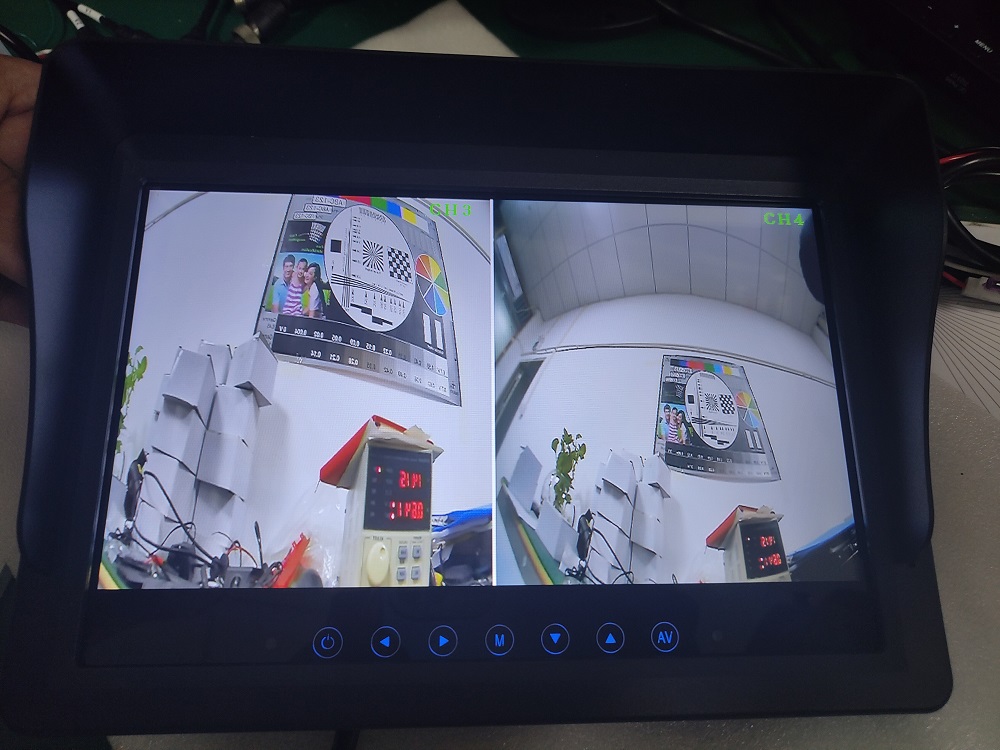
Photo 1 shows a comparison of night vision performance, photo 2 shows a comparison of images during fast-moving.Left image was the Sony IMX662, Right image was the Sony IMX307.
Both sensors feature High Dynamic Range (HDR) functionality to handle complex lighting, but the IMX662 introduces a superior method.
IMX307 (STARVIS): Often uses Digital Overlap HDR (DOL-HDR). This method captures multiple frames with different exposures in quick succession and combines them. While effective, capturing frames sequentially can lead to motion artifacts like ghosting or chromatic aberration (color fringing) when a fast-moving object is in the frame.
IMX662 (STARVIS 2): Supports Clear HDR. This advanced method is designed to synthesize the high- and low-gain images simultaneously, which dramatically reduces the chance of chromatic aberration or blurring artifacts when capturing fast-moving objects like a car on the highway.
| HDR Feature | Sony IMX307 (DOL-HDR) | Sony IMX662 (Clear HDR) |
| HDR Artifacts | Susceptible to motion artifacts and chromatic aberration on fast-moving objects. | Minimizes chromatic aberration and artifacts on fast-moving objects. |
| Motion Clarity | Good, but can be compromised in complex light with movement. | Excellent—maintains clarity in high-contrast, high-speed situations. |
While both sensors are Full HD (1920x1080 resolution) and have a similar optical format (Type 1/2.8), the IMX662 has performance upgrades that make it a more versatile choice:
Max Frame Rate (10-bit output): The IMX662 can achieve up to 90 frames per second (fps) in its basic drive mode, a significant increase over the IMX307's maximum of 60 fps. This higher frame rate is essential for capturing every detail in high-speed applications like traffic monitoring.
Sensitivity: The IMX662 boasts a much higher sensitivity than its predecessor, meaning it can capture a usable image in even lower light levels, further solidifying its "starlight" capability.
Power Consumption: Despite its performance enhancements, the IMX662 is designed with a focus on low power consumption, making it highly suitable for 24/7 security systems and battery-powered IoT devices.
The Sony IMX307 is a proven, reliable, and cost-effective sensor that delivers excellent low-light performance (hence its popularity in budget-to-mid-range starlight cameras).
However, the Sony IMX662 represents a genuine technological leap forward. As part of the STARVIS 2 generation, it offers:
Superior Clarity: Less noise in the deepest shadows.
Wider Dynamic Range: Better detail capture in both bright and dark areas simultaneously.
Cleaner Motion Capture: The new Clear HDR virtually eliminates motion artifacts in high-contrast scenes.
In Summary:
| Use Case | Recommended Sensor | Rationale |
| Budget-Conscious Surveillance | IMX307 | Reliable, proven starlight performance at a lower cost. |
| High-End Dashcams & Traffic Monitoring | IMX662 | Higher frame rate, better HDR for clear capture of fast-moving license plates. |
| Advanced Security/AI Vision | IMX662 | Lower noise and wider dynamic range provide cleaner data for image analysis and computer vision algorithms. |
Address: Room 408, Building A , Kaihuimao Industrial Park, Liyuan Road, Fuhai , Baoan District, Shenzhen, 518103, China
© 2010-2025 All Rights Reserved




 Wechat

 WhatsApp

 Email
Email

 +86-755-27322079